
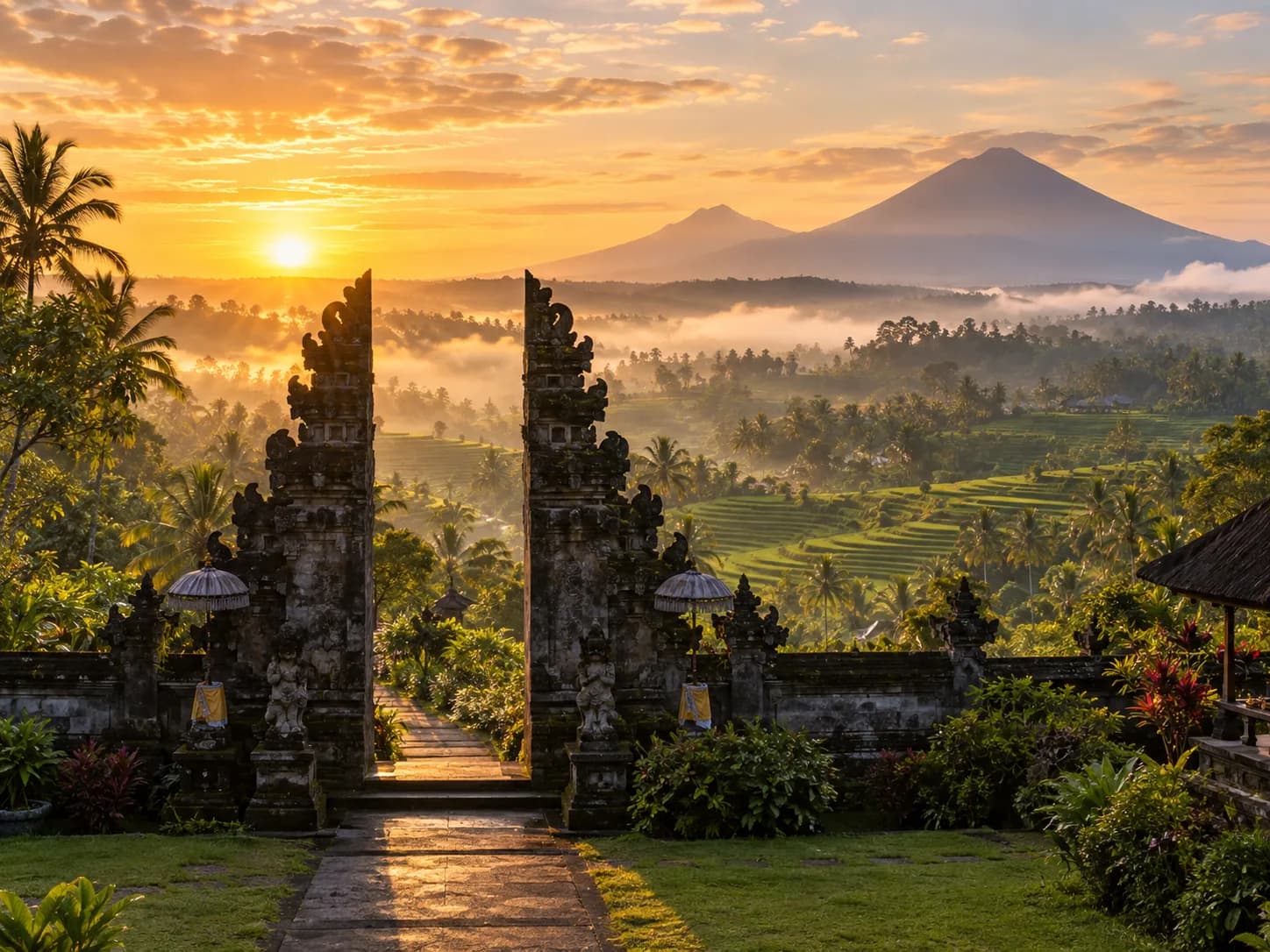
Bali is often presented as a collection of photogenic places: a temple above the sea, a jungle pool, a rice terrace at sunrise, a surf break beneath a limestone cliff. Those scenes are real, but they are only the surface.
The island's character comes from the relationship between landscape, religion, community and everyday life. Ceremonies can temporarily close a road. Small flower offerings appear outside homes and businesses each morning. Water temples are connected to centuries-old agricultural systems. Traditional dance and music remain part of religious and communal life, not simply entertainment created for visitors.
That is why the best Bali trips tend to feel less like a checklist and more like a change of rhythm.
Why is Bali so famous?
Bali became internationally known because an unusual range of experiences exists within a relatively compact island. The coast offers surfing, beaches, reefs and dramatic sunset viewpoints. Inland are rice terraces, river valleys, temples, forests and volcanic highlands. Towns and villages are associated with painting, carving, textiles, dance, music and food.
Indonesia's Ministry of Tourism presents Bali through this same combination of nature and culture, highlighting beaches, temples, traditional arts, rice landscapes and regional food rather than treating it as a conventional beach destination.
Geography also matters. Uluwatu feels very different from Ubud. Sanur feels different from Canggu. The north and east can feel quieter and more rural than the heavily developed south-west. A traveller can therefore return to Bali several times and experience a materially different trip.
Understanding Balinese culture
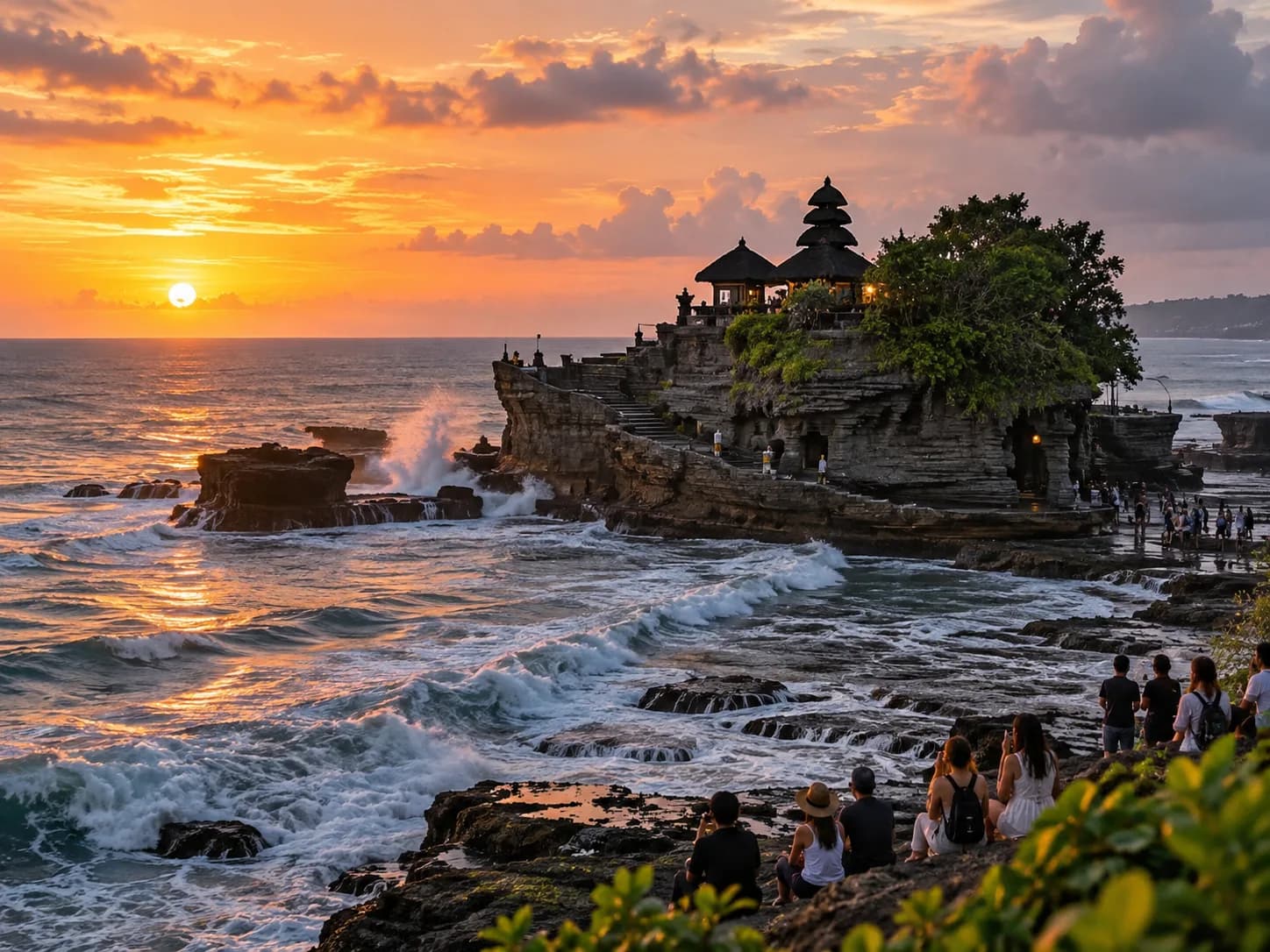
Bali's visual identity is closely connected to Balinese Hindu traditions. Temples, known as pura, appear in family compounds, villages, rice-growing landscapes, mountains and along the coast. Many remain intensely active places of worship.
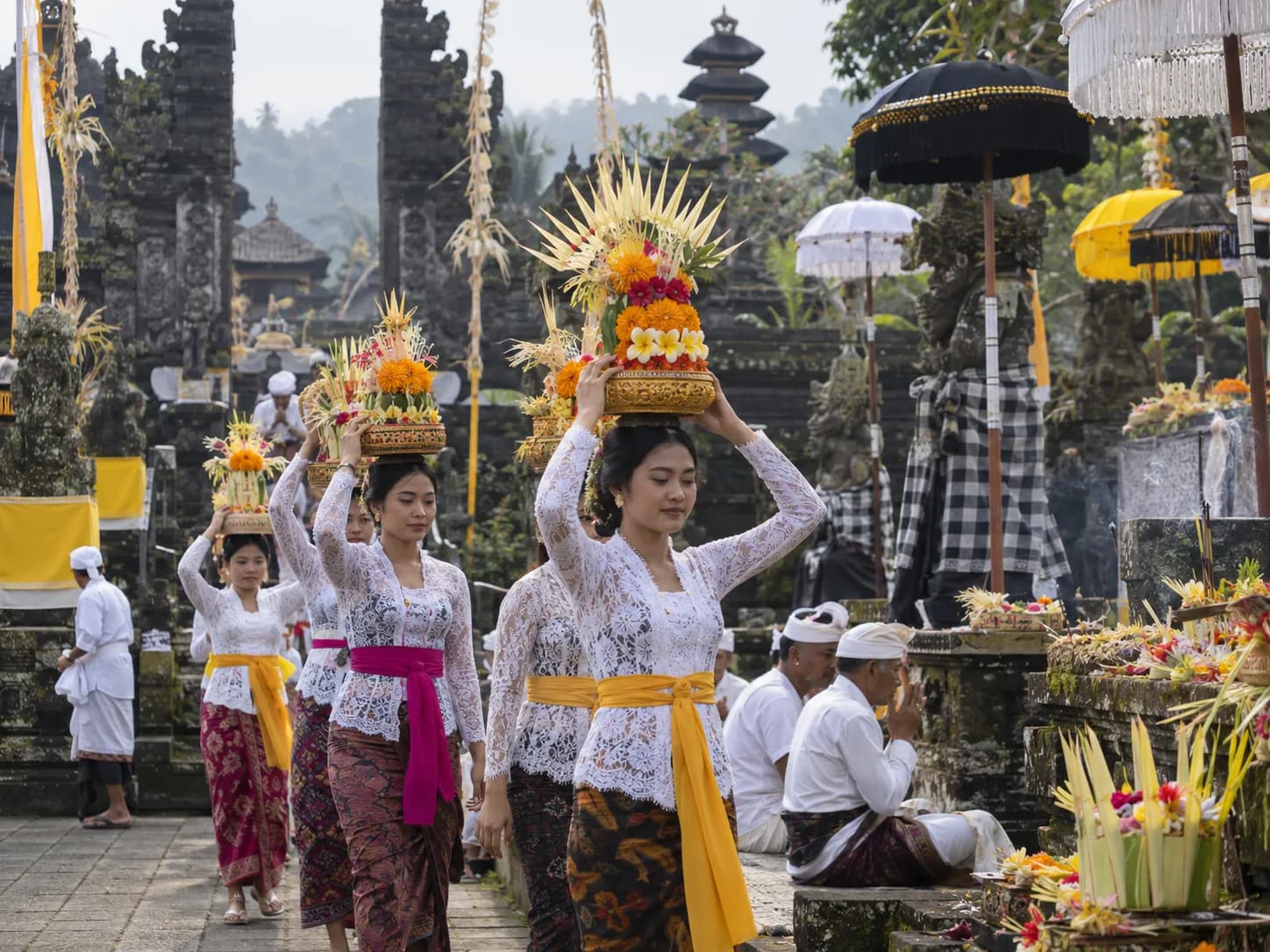
Temple anniversary celebrations, or odalan, bring together prayer, offerings, traditional dress, music and community participation. Other ceremonies mark important moments in family and village life. This helps explain why visitors may encounter processions or preparations almost anywhere on the island.
Daily offerings called canang sari are another visible part of Balinese life. Usually made from woven palm leaves and flowers, often accompanied by incense, they are placed at temples, homes and businesses as expressions of gratitude and spiritual balance. They can appear directly on pavements or entrances, so visitors should take care not to step on or disturb them.
Tri Hita Karana: harmony between spirit, people and nature
One idea often used to explain Balinese cultural philosophy is Tri Hita Karana: a relationship of harmony between the spiritual realm, human society and the natural environment. The concept is visible most clearly in Bali's traditional agricultural landscape.
Rice terraces are more than scenery
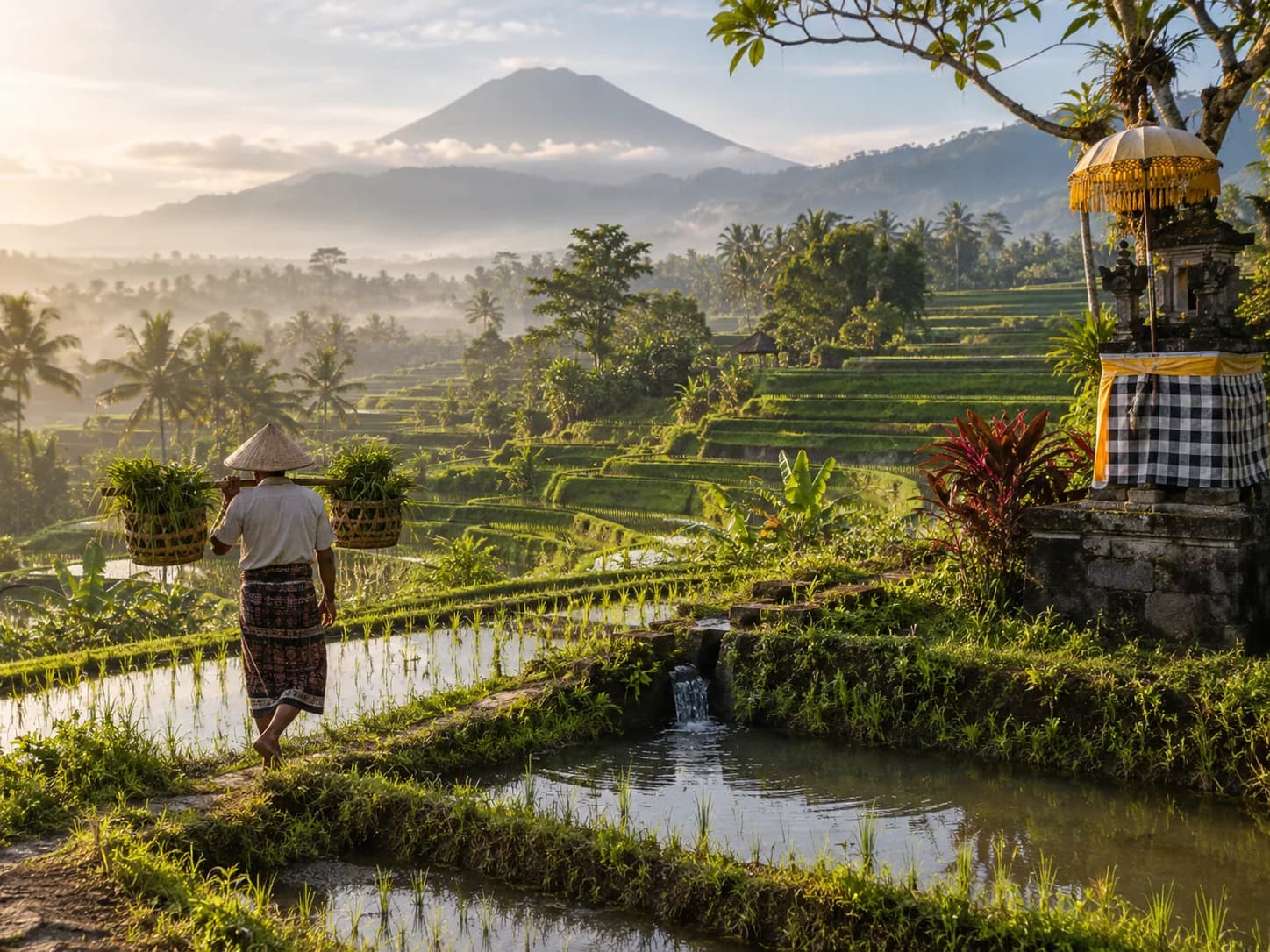
Bali's rice terraces are among its most recognisable landscapes, but their importance goes far beyond photography. The traditional Subak system coordinates water through canals, weirs and water temples while linking farming communities through shared responsibility.
UNESCO's World Heritage listing for the Cultural Landscape of Bali Province covers five rice-terrace and water-temple landscapes across roughly 19,500 hectares. UNESCO notes that the cooperative Subak water-management system dates back to the 9th century and reflects the Tri Hita Karana philosophy.
Understanding that context changes the way you see a rice field. It is not merely a green backdrop; it is part of a living social, agricultural and spiritual system.
Nyepi, Galungan and the rhythm of the island
Bali's ceremonial calendar can shape a visitor's experience in ways that are unusual for a major international destination. Galungan is associated with the victory of dharma over adharma, and during the period tall decorated bamboo poles called penjor line roads throughout the island. Kuningan follows ten days later.
Nyepi, the Balinese Day of Silence and Saka New Year, is even more distinctive. For approximately 24 hours, normal activity across Bali largely stops. Roads become quiet, businesses close, transport is suspended and visitors are expected to remain within their accommodation and respect the island-wide restrictions.
If your trip overlaps with a major ceremony, treat it as something to plan around rather than an inconvenience. It is a reminder that tourism operates inside a living society with its own calendar and priorities.
What should visitors know about temples and local etiquette?
Sacred places should be approached as places of worship first and visitor attractions second. Dress requirements vary by site, but a sarong and sash are commonly expected. Follow instructions at the entrance, stay out of restricted areas and avoid positioning yourself between worshippers and an altar simply to take a photograph.
Bali's provincial government reinforced its code of conduct for foreign visitors through Circular Letter No. 7 of 2025. The guidance emphasises respect for temples, sacred symbols, religious ceremonies, customs and appropriate behaviour in public and sacred spaces.
- Dress respectfully when entering temples and sacred areas.
- Do not climb on shrines, sacred structures or religious monuments.
- Give processions and worshippers space, even when it affects traffic or access.
- Avoid touching or stepping on offerings.
- Ask before photographing people at close range during prayer or ceremony.
- Use licensed tourism services and follow local rules around transport and attractions.
Bali's landscapes: coast, volcanoes and tropical highlands
Part of Bali's appeal is how quickly the landscape changes. The southern Bukit Peninsula is built around limestone cliffs, surf beaches and the Indian Ocean. Central Bali is greener and more enclosed, with valleys, rice fields and villages. Volcanic mountains dominate parts of the interior, while the north and east offer quieter shorelines and different cultural centres.
This diversity is one reason not to over-schedule. Distances on a map can look small, but traffic and road conditions can turn an ambitious itinerary into hours in a car. For most travellers, choosing two complementary bases creates a better experience than changing hotels every night.
Food, art and craftsmanship
Balinese culture is also experienced through food and craft. Well-known local dishes include ayam betutu, babi guling, lawar, sate lilit and sambal matah. Alongside traditional warungs, Bali has developed one of Southeast Asia's most varied contemporary dining scenes.
Woodcarving, stone carving, painting, textiles and metalwork remain associated with different communities across the island. Ubud and its surrounding villages are especially well known for visual arts and craft traditions.
For a more complete trip, leave room for both sides of Bali: a polished destination restaurant and a local warung, a resort pool and a village road, a dramatic viewpoint and an ordinary morning market.
For dining ideas across the island, see our guide to restaurants in Bali, from Uluwatu to Ubud.
What is the best time to visit Bali?
Bali has a tropical climate with two broad seasons rather than four. Indonesia's official tourism guidance generally places the dry season from April to October and the wetter season from November to March, while noting that weather patterns are increasingly variable.
The dry period is usually the easiest choice for beach days, outdoor dining, surfing and sunset plans. The wetter months can bring higher humidity and tropical showers, but landscapes are especially green and rain does not necessarily mean an entire day is lost.
Peak holiday periods can be busy regardless of weather, so travellers who value quieter roads and restaurants may prefer shoulder periods rather than the most popular weeks.
What to know before travelling to Bali
1. Most international visitors pay the Bali tourist levy
As of September 2026, most international tourists visiting Bali are subject to a provincial levy of IDR 150,000 per person, with defined exemption categories. The Bali Government encourages payment through the official Love Bali system before arrival, after which travellers receive a QR-code voucher.
Because exemptions and procedures can change, check the official Love Bali information before travelling.
2. Complete Indonesia's digital arrival information
Indonesia's official tourism guidance states that travellers can complete the All Indonesia digital arrival information up to three days before arrival. Completing it in advance can make the airport process more straightforward.
3. Check your visa eligibility directly with Immigration
Visa requirements depend on nationality and purpose of travel. For eligible travellers, Indonesia's Visa on Arrival currently permits an initial stay of up to 30 days and can be extended once. Ngurah Rai Immigration currently lists the VOA fee as IDR 500,000.
Do not rely on an old travel blog for immigration rules. Check Ngurah Rai Immigration or Indonesia's official immigration portal close to departure.
4. Allow more time for transport than the map suggests
Bali's roads are busy and many destinations are connected by relatively small roads. A short distance can take much longer than expected, especially during peak periods. If you are staying in Uluwatu, Ubud or another spread-out area, plan transport before you need it rather than assuming everything is walkable.
5. Remember that Bali is home before it is a holiday destination
The people working in resorts, restaurants and tourism businesses live within communities with religious and family obligations. Ceremonies can affect traffic, opening hours and staffing. Patience and basic respect usually create a better experience for everyone.
Responsible travel matters
Bali's popularity creates pressure on infrastructure, land and natural resources. UNESCO has repeatedly highlighted the need to protect the living cultural landscape associated with Subak and the farming communities that sustain it.
Travellers can contribute in simple ways: choose legitimate accommodation and operators, reduce unnecessary waste, respect water and energy use, support local businesses, and avoid turning sacred or agricultural spaces into disposable photo sets.
Why stay in Uluwatu?
For travellers who want the ocean to define the trip, Uluwatu offers one of Bali's most distinctive landscapes. The southern Bukit Peninsula is shaped by limestone cliffs, open skies, surf breaks, hidden coves and sunset views across the Indian Ocean.
Pura Luhur Uluwatu, one of the area's cultural anchors, stands on a cliff roughly 70 metres above the Indian Ocean. Indonesia's Ministry of Tourism highlights both its religious importance and the Kecak performances associated with sunset.
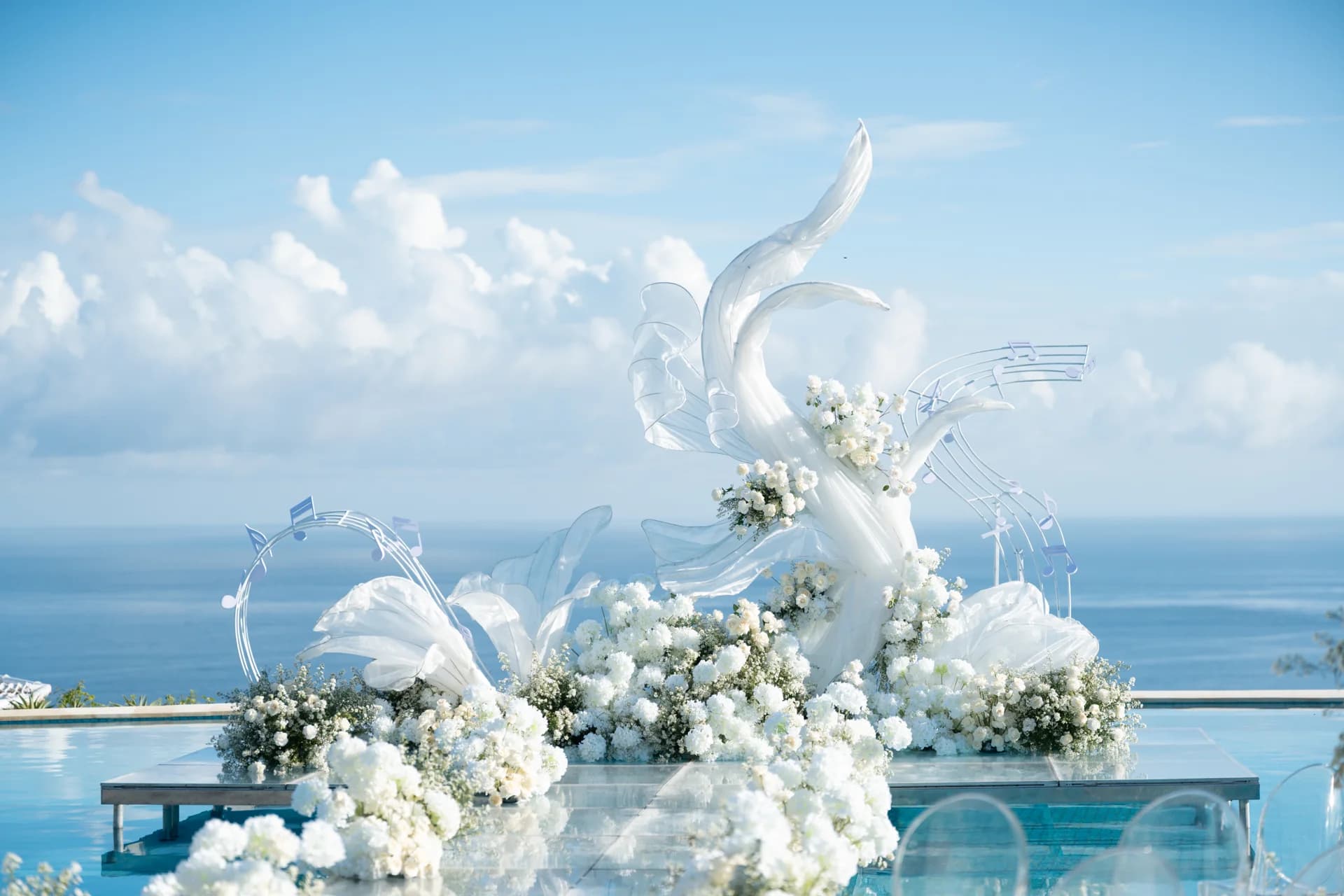
Uluwatu is not the right base for everyone. It is spread out, many beaches require stairs or steep access, and visitors who want a dense walkable district may prefer somewhere else. But for couples, wellness travellers, surfers, wedding guests and anyone looking for a quieter luxury stay, the sense of space is part of the appeal.
If you are deciding whether southern Bali is the right base for your trip, read our Uluwatu-focused guide to why you should visit Bali and stay in Uluwatu.
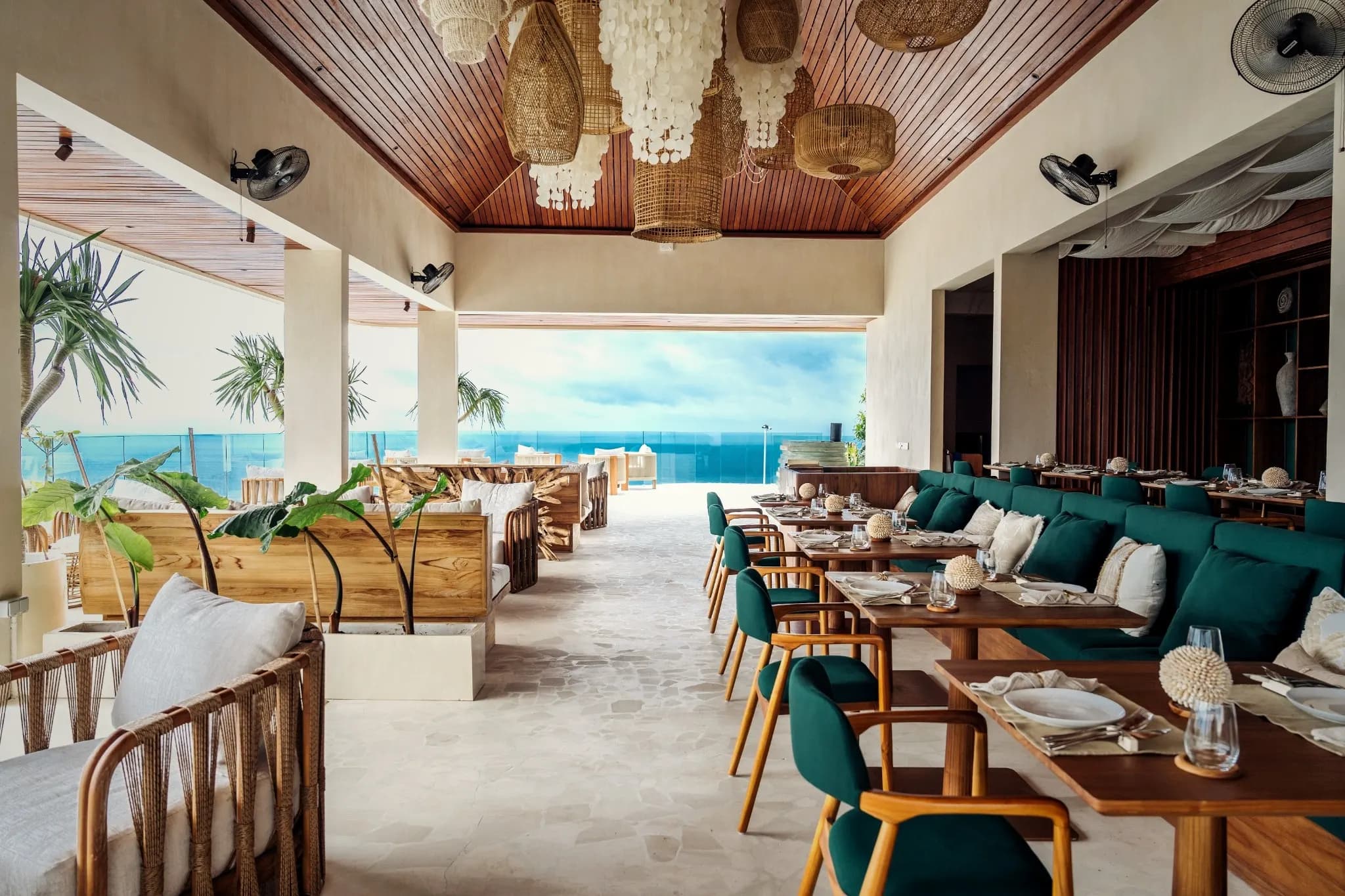
At VANARA, the idea is to make the resort part of the Bali experience rather than simply a place to sleep: ocean-view stays, time by the pool, wellness, dining at KOKOON and enough unplanned time to enjoy the landscape.
DISCOVER SOUTHERN BALI
Build a slower Bali stay around Uluwatu
Explore VANARA's villas, dining, wellness and clifftop experiences, then leave enough space in the itinerary for Bali to unfold naturally.
Explore VANARA villasBALI FAQ
Frequently asked questions about Bali
Why is Bali famous?
Bali is famous for its Hindu culture, temples, ceremonies, rice terraces, surfing, beaches, volcanic landscapes, food, wellness and hospitality. Its strongest identity comes from the way culture and nature remain visible in everyday life.
Is Bali worth visiting?
Yes, particularly for travellers who want culture and nature alongside a beach holiday. The island can combine temples, food, surf, wellness, villas and tropical landscapes within one trip.
What is the best time to visit Bali?
The drier period generally runs from April to October, while November to March is typically wetter. Conditions vary by year and area, so check the forecast for your actual travel dates.
What should first-time visitors know about Balinese culture?
Temples and ceremonies are active parts of local life. Dress respectfully in sacred places, follow temple rules, avoid disturbing worshippers and take care around daily offerings placed on the ground.
Do tourists have to pay a Bali tourist levy?
Most international tourists currently pay IDR 150,000 per person, subject to specific exemptions. Check the official Love Bali system before travel for the latest rules.
What is Nyepi?
Nyepi is Bali's Day of Silence and Saka New Year. For roughly 24 hours, normal activity across the island largely stops and visitors are expected to remain within their accommodation and respect local restrictions.
Is Uluwatu a good place to stay in Bali?
Uluwatu is especially suited to travellers looking for cliffs, ocean views, surf, sunsets, private villas, wellness and a less urban atmosphere. The area is spread out, so transport planning is important.
Official sources used for this guide
This article was reviewed against current information available in September 2026. For rules that can change, always verify directly before travel.